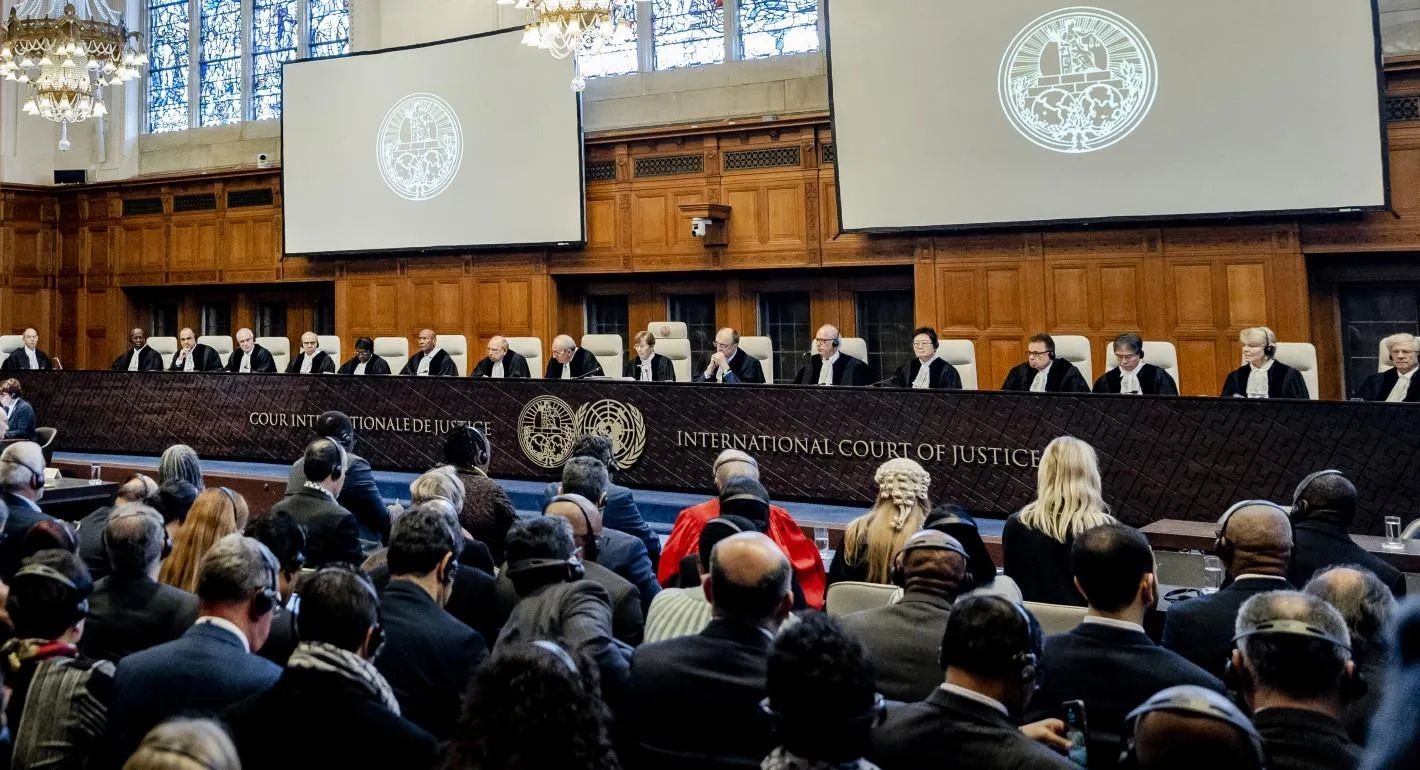
The International Court of Justice (ICJ) has ruled that Myanmar must be held accountable for the alleged genocide committed against the Rohingya population in northern Rakhine State.
The ruling, delivered on November 19, marks a historic development in international law, as it is the first time the ICJ has ruled on a state's responsibility for genocide in a case of this nature.
The case was brought before the ICJ by The Gambia over allegations of genocide against the Rohingya community in Myanmar.
In its ruling, the Court found that Myanmar's security forces had killed thousands of Rohingya civilians, committed widespread sexual violence and carried out extremely violent acts against children.
The Court also found that Myanmar had failed to prevent acts of genocide and punish those responsible. It ordered Myanmar to take measures to prevent further genocidal acts and ensure accountability for those involved.
The ICJ further directed Myanmar to investigate individuals reasonably suspected of involvement in the 2017 so-called “clearance operations” and prosecute those responsible. The ruling also addressed reparations for the Rohingya community and the safe return of people displaced by the violence.
The Maldives was the first country to announce its intention to intervene in the case under the Genocide Convention.
The Maldives is represented in the proceedings by its agent, Bandara Naib Ahmed Usham, alongside legal counsel Professor Amal Clooney and Professor Philippa Webb.
In its written submissions, the Maldives highlighted Myanmar's obligation to ensure accountability for those responsible for genocide, including the duty to investigate and prosecute alleged perpetrators before an independent and impartial tribunal.