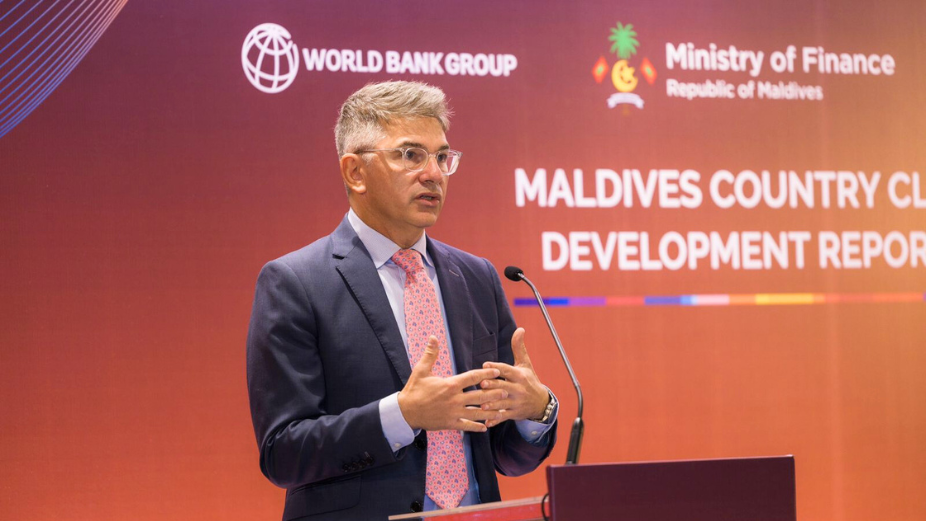
The Maldives is the only country in South Asia with an opportunity to achieve high-income status before its population becomes aged, according to a new World Bank report.
The report highlights a limited window of opportunity for the Maldives to accelerate economic growth and achieve high-income status before demographic changes begin to place greater pressure on the economy.
According to the projections, if the Maldives maintains the pace of economic progress recorded between 2013 and 2023, its Gross National Income per capita could exceed 25,000 US dollars by 2044, when the country is expected to become an aged society.
However, the report warns that the country's demographic transition is approaching rapidly. The proportion of the population in the working-age group is projected to peak in 2033. The Maldives is expected to enter an ageing population phase in 2031 and transition into an aged society by 2044, five years earlier than the regional average.
Despite the country's relatively advanced pension system, the World Bank identifies several challenges that could affect its ability to capitalise on this opportunity. These include the growing burden of non-communicable diseases, which could reduce the number of years people remain healthy and productive, limited employment opportunities, and barriers preventing more women from entering the workforce.
To ensure the country does not miss this opportunity, the World Bank has recommended a series of key reforms over the next 18 years.
Among its recommendations are improving access to finance for businesses, creating a more supportive working environment for women, strengthening primary healthcare services, and developing more comprehensive care systems for the elderly.
The report also stresses the importance of equipping older workers with new skills so they can remain active in the labour market.
Additionally, as social protection and healthcare costs are expected to rise with an ageing population, the World Bank recommends increasing government revenue and improving the efficiency and impact of public spending.
The report underscores the importance of acting now, warning that the Maldives has a limited period to strengthen its economy, improve productivity and establish sustainable systems before demographic changes place greater pressure on public finances and economic growth.