
Former President Solih’s Five Years Under Fire: Critics Allege Economic Losses, Sovereignty Concerns and Social Setbacks
19 October 2026 - 18:24
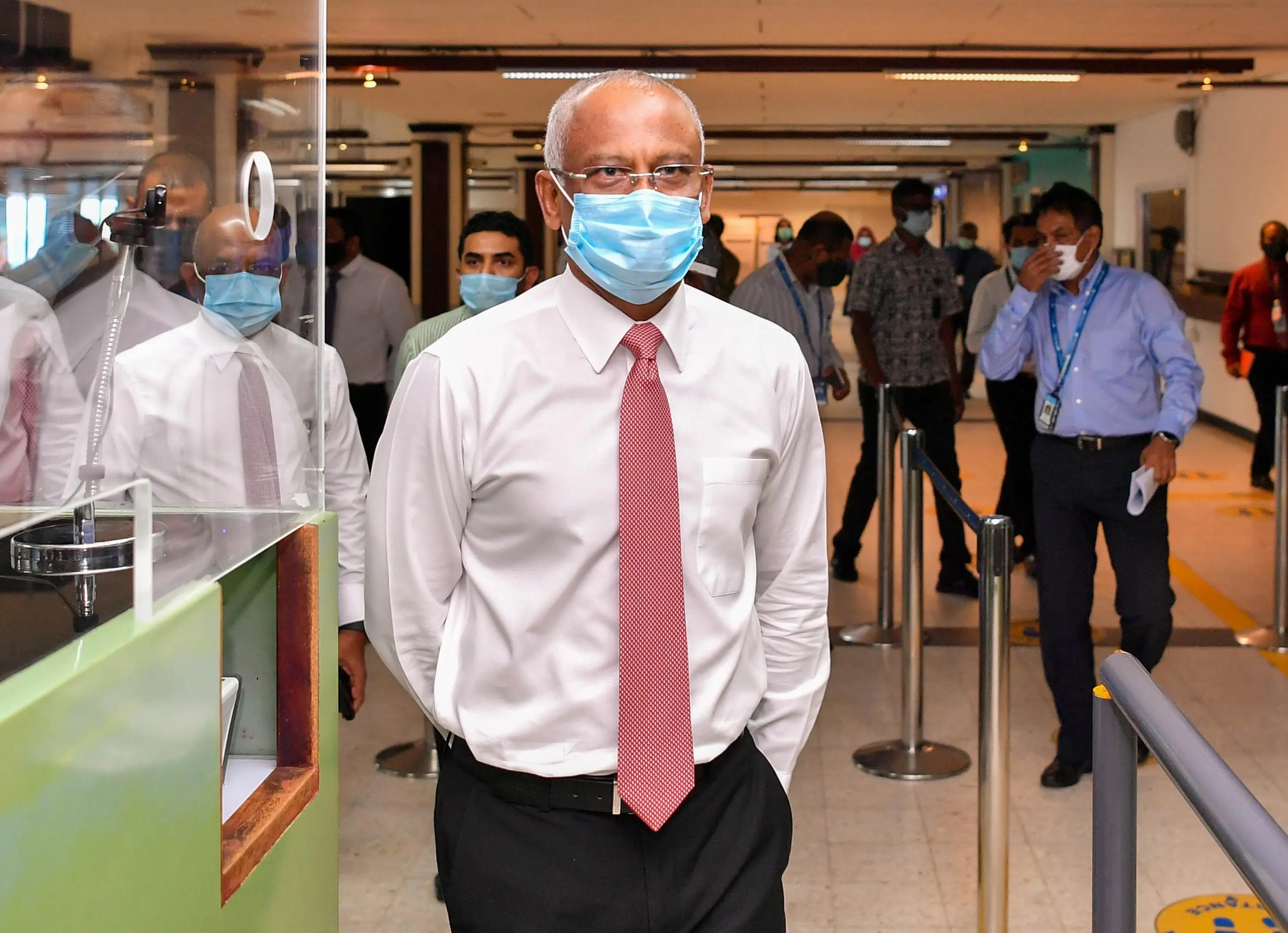
The five years under former President Ibrahim Mohamed Solih have been described by critics as among the most difficult periods in the Maldives since the adoption of the new Constitution. His administration has faced allegations of economic mismanagement, corruption, questionable policy decisions and actions that critics claim threatened the country’s independence and national interests.
According to these allegations, the consequences of the administration’s decisions extended far beyond the economy, affecting public confidence, social stability and the country’s long-term future.
Allegations of corruption and political influence
Critics have alleged that the Maldives suffered losses exceeding MVR 200 million by the end of the MDP’s first term in government, during which Solih reportedly served as the party’s parliamentary group leader. The allegations further claim that the MDP introduced the practice of bribing MPs to secure their political support, using funds allegedly obtained through corrupt means. Solih reportedly served as the party’s parliamentary group leader during this period.
These claims have fuelled criticism of the party’s political practices and the leadership’s responsibility for maintaining accountability within government.
Billions printed, debts mounting and dollars running short
Solih’s administration has faced strong criticism over its economic management, particularly for allegedly printing billions of rufiyaa without a sound economic strategy. Critics argue that these measures contributed to the depreciation of the Maldivian rufiyaa and exacerbated the shortage of US dollars, leaving individuals and businesses struggling to access foreign currency.
The government has also been accused of repeatedly borrowing money and taking on additional loans to repay existing debts, creating concerns about the sustainability of public finances.
Further allegations concern the Sovereign Development Fund (SDF), which reportedly held reserves intended to support debt repayment. Critics claim that the administration converted dollar reserves from the fund into rufiyaa, raising questions about the management of funds set aside for the country’s financial obligations.
The debt accumulated during Solih’s presidency reached MVR 60.7 billion. This was the highest amount of debt incurred under any administration in Maldivian history.
Questions over lagoons, resort revenue and public assets
The former administration has also been accused of overseeing the sale of major lagoons across the Maldives, including in Vaavu Atoll, at allegedly undervalued prices and without proper valuation.
Critics have further alleged that millions of dollars in state revenue owed by resorts owned by certain influential individuals were waived during Solih’s presidency. They claim that these decisions deprived the government of revenue to which the state was entitled.
These allegations have raised questions about transparency, the protection of public assets and whether decisions involving valuable national resources adequately served the interests of the Maldivian people.
Controversial sentence reductions raise social concerns
Beyond economic issues, Solih’s administration has been criticised over alleged reductions in the sentences of individuals convicted of serious crimes.
The allegations include claims that certain individuals imprisoned for paedophilia had their sentences reduced and were subsequently released. Critics have also accused the administration of reducing sentences for individuals convicted in connection with major corruption cases, with some reportedly released from prison.
Similar allegations have been made concerning convicted major drug traffickers, with critics claiming that sentence reductions led to the release of numerous individuals and raised concerns about public safety.
Maritime sovereignty at the centre of criticism
One of the most serious accusations concerns the Maldives’ maritime dispute with Mauritius.
Critics have accused Solih of taking steps that allegedly contributed to the transfer of a significant portion of maritime territory claimed by the Maldives to Mauritius. As per the allegations Solih personally initiated correspondence connected to the matter and characterises his actions as contrary to the country’s national interests.
The decision concerning a significant portion of the Maldives’ maritime territory was allegedly made without adequate consultation, with the People’s Majlis reportedly not even being consulted before the matter was addressed.
These claims have placed the administration’s handling of the maritime dispute under political scrutiny, particularly regarding the decision-making process, parliamentary oversight and the protection of the Maldives’ sovereign interests.
Victory Day, secret agreements and press freedom
Solih’s administration also faced criticism over its treatment of Victory Day, a date regarded by many Maldivians as a symbol of national pride and resistance. Critics alleged that the decision to downgrade Victory Day to a “U” category was linked to connections between Solih’s family and one of the militants accused of involvement in the November 3, 1988 coup attempt, which claimed the lives of 19 Maldivians.
The former president has also been accused of signing more than 100 sensitive agreements during his tenure while keeping them confidential and withholding them from public scrutiny. These allegations have intensified calls for greater transparency and accountability regarding agreements that could have significant implications for national policy and the public interest.
Solih's administration sought to restrict journalistic scrutiny after journalists began reporting critically on government conduct. The legislation passed by the People’s Majlis required journalists to disclose their sources and provide supporting evidence, a move critics alleged was intended to conceal government actions and discourage investigative journalism.
A legacy still being debated
The legacy of Solih’s administration remains a subject of intense political debate, with critics pointing to alleged economic mismanagement, mounting national debt, questions over sovereignty, controversial decisions and concerns over transparency and accountability. They argue that the consequences of these decisions could continue to affect the country long after his presidency ended. Without a genuine acknowledgment of past mistakes and a willingness to take responsibility, questions surrounding his administration’s record are likely to remain unanswered, leaving the Maldivian people to judge whether the decisions made during those five years truly served the nation’s best interests.
